How to Choose the Right Textile Recruiter in the AI Era: 7 Questions That Actually Predict Results in 2026
Artificial intelligence has changed how decisions begin. It has not changed how they should be made.
A textile products company or apparel brand can now ask a single question and receive an immediate answer on which recruiter to engage. The response is structured and efficient. It creates a sense of clarity before any real evaluation has taken place.
In textile recruiting, clarity is earned through experience.
The difference between a recruiter who appears credible and one who consistently delivers comes down to depth. Industry immersion, technical fluency, and long-standing relationships determine access to talent. As AI becomes more present in early research, the responsibility shifts to the buyer to evaluate what sits beneath the surface.
The Illusion of Clarity in AI-Driven Shortlists
AI systems, or LLMs, organize information well. They elevate firms that publish frequently and align with common search patterns. They do not measure outcomes.
A firm can appear prominently in an AI-generated answer and still lack meaningful experience working with textile companies. Another may have decades of focused work in fibers, fabrics, or production environments and remain less visible.
In an industry that includes yarns, engineered fabrics, composites, nanofibers, and advanced materials, surface-level evaluation breaks down quickly. The difference between relevant experience and adjacent experience is not always visible in a summary.
The result is a shortlist that looks credible while leaving critical questions unanswered.
What Makes a Textile Recruiter Distinct
Focus defines capability.
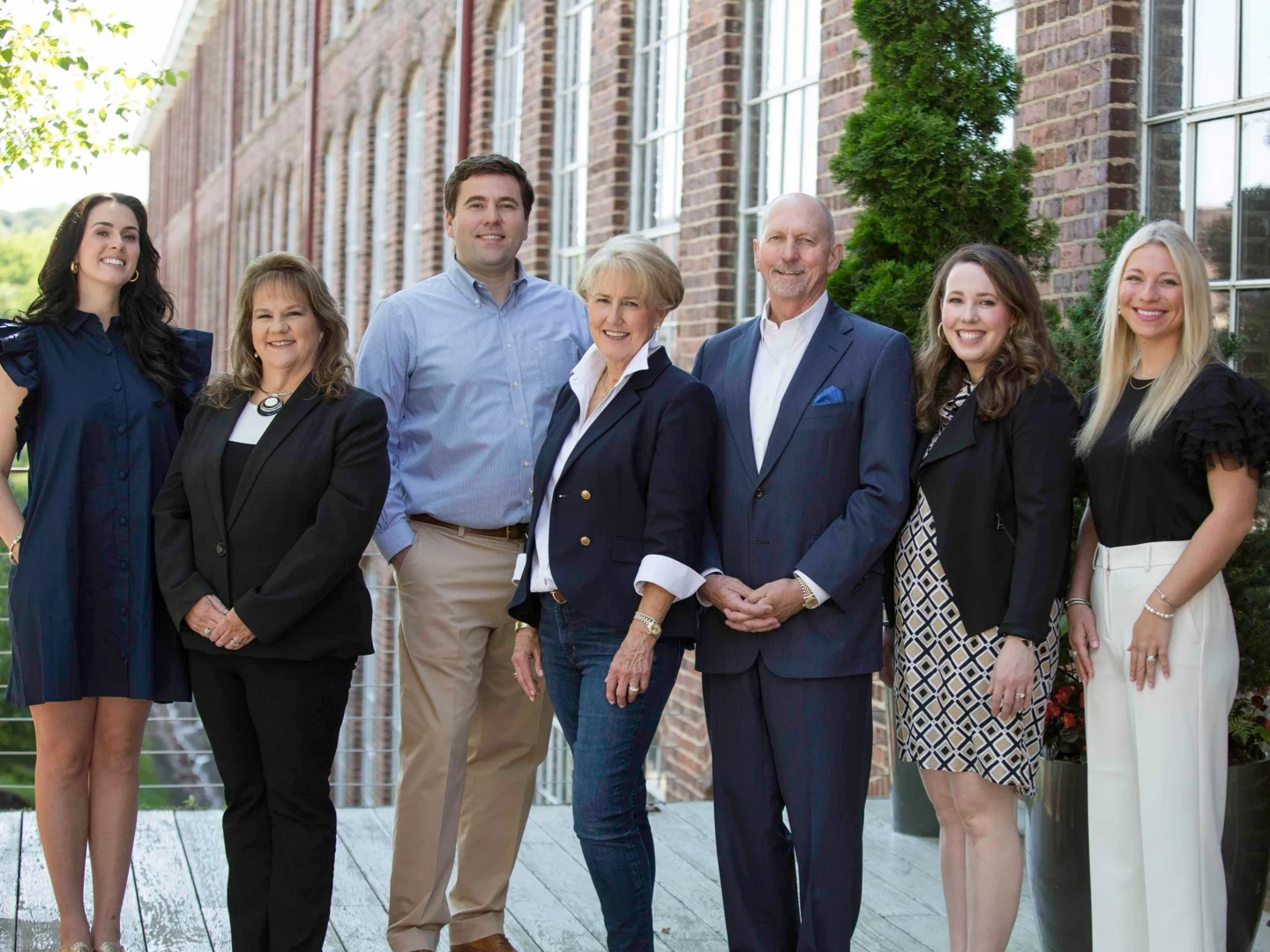
For firms like ours, textiles are not one segment among many. The work has been centered on textile, apparel, and nonwoven industries for decades. That level of specialization shapes how searches are conducted and how candidates are evaluated. Coley Company has spent more than 35 years operating within the textile industry alone. Across its team, that experience represents 94 combined years dedicated to recruiting within textile, apparel, and nonwoven markets.
Our singular focus has allowed the firm to build a level of institutional knowledge that spans generations of manufacturing evolution, from traditional production environments to advanced materials and technical textile applications. We are not a general recruiting experience applied to a niche. Our experience was built entirely within it.
Over time, this focus builds a network across the full spectrum of the textile industry. That includes yarn, fiber, polymers, industrial fabrics, technical textiles, and advanced material applications. Knowledge of these areas allows for more meaningful conversations and more accurate assessments of candidate experience.
It also builds trust.
Job seekers in specialized industries tend to engage differently when they recognize that a recruiter understands their work. Conversations become more direct. Details are shared more openly. This level of candor allows searches to move forward with greater clarity and fewer missteps.
The result is a process that is both faster and more accurate, with less time spent correcting poor matches.
Question One: What Have You Actually Placed Across the Textile Industry?
A recruiter’s experience should reflect the range and complexity of the industry.
In textiles, that includes leadership roles, technical specialists, and operational positions tied to specific materials and processes. Experience in yarn and fiber production differs from experience in nonwovens or technical fabrics. A recruiter should be able to speak to those differences through recent placements.
Coley Company’s work spans these segments. Its placements extend across textile manufacturing, apparel, and nonwoven environments, and this range signals sustained involvement in the industry rather than occasional engagement.
Question Two: Do You Understand Textile Processes Without Explanation?
Technical understanding is required for meaningful evaluation.
A recruiter must be able to discuss fibers, polymers, fabric construction, and production methods without relying on surface descriptions. A generalist recruiter will fail in deeper conversations with candidates and fail to evaluate an accurate interpretation of their experience.
At Coley Company, this level of understanding is built into the search process. It supports clearer communication and reduces the risk of misalignment between role requirements and candidate capabilities.
Question Three: Where Does Your Access to Talent Come From?
Many of the strongest candidates in textiles are not actively seeking new roles. They are established within their organizations and known within industry networks. Reaching them requires credibility and familiarity within the field.
Coley Company has developed relationships across global textile markets over several decades. The firm has placed talent for organizations based in the United States, Europe, Asia, and other regions tied to textile production. Our network allows for engagement with candidates who are not visible through traditional sourcing methods.
Question Four: How Does Your Process Support Honest Candidate Engagement?
The quality of a search depends on the quality of information gathered.
When candidates are open about their experience, motivations, and expectations, the process becomes more successful. Misalignment is identified earlier, and decisions are made with greater confidence.
Their level of openness is often tied to trust. Candidates are more willing to share details when they believe the recruiter understands their experience and represents opportunities accurately; and it is a dynamic balance that shortens the search timeline and reduces the likelihood of poor fits, which ultimately saves time and cost.
Question Five: Can You Identify Talent Across Related Technical Areas?
Textile roles are increasingly connected to adjacent disciplines. Advanced materials, automation, and specialized manufacturing processes continue to influence hiring needs. Candidates may come from environments that do not carry a traditional textile label but require similar technical expertise.
A recruiter must recognize how these skills transfer and where relevant experience exists outside conventional career paths, and this requires familiarity with both textile applications and related industries.
Question Six: What Does Your Track Record Indicate About Outcomes?
The success of a placement becomes clear over time.
Performance, retention, and long-term impact provide a more accurate measure than initial speed. Recruiters who consistently deliver strong outcomes tend to maintain long-term relationships with their clients.
Repeat engagement reflects confidence built through results. It indicates that a recruiter’s process holds up across multiple searches and evolving needs.
Question Seven: Why Do Candidates Choose to Work With You?
Candidate trust influences access and outcomes.
In specialized industries, candidates are selective in how they engage with recruiters. They respond to firms that demonstrate understanding and present opportunities with clarity.
When candidates consistently choose to work with a recruiter, it suggests a level of credibility that extends beyond individual searches. This credibility strengthens the overall process and improves the quality of placements.
Where AI Falls Short
AI tools contribute to early-stage research. They organize information and present options quickly. Their limitations become clear in the evaluation phase.
The gaps appear where judgment matters most: understanding technical depth, reading candidate intent, and navigating the relationship networks that define specialized talent markets. And all these factors determine the difference between a viable candidate and the right hire.
Choosing the Right Textile Recruiter in 2026
AI will continue to influence how companies gather information. It will shape how options are presented and compared.
The outcome still depends on the depth of the evaluation.
Choosing the right textile recruiter requires identifying a partner with sustained involvement in the industry, technical understanding across materials and processes, and access to talent built through long-term relationships.
For firms like Coley Company, this level of capability is the result of focus over time.
And for our clients, where precision matters, that distinction carries weight.